AURORA
A global multi-stage hackathon. 1,500 builders from 27+ countries. One champion.
Aurora 2026 has concluded · Results are in
27+ countries.
One stage.
Builders joined from 27+ countries, as reported by projectGRID. These 15 are named in the registration sheet.
 Australia
 Azerbaijan
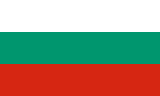 Bulgaria
 Canada
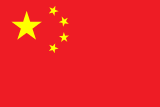 China
 Germany
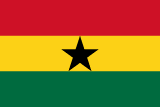 Ghana
 India
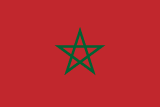 Morocco
 Nigeria
 Senegal
 Singapore
 South Africa
 Ukraine
 United States
Built for global impact.
The UN Sustainable Goals.
The brief was open: pick any of the 17 UN Sustainable Development Goals and build for it. The overall winner, ChillGui, built for accessibility: everyday apps that older people can actually use.
Four stages. Fully online.
One champion.
From a first idea to a live pitch to incubation. Aurora was built so students with limited resources and slow internet could still take part.
Phase 01: Idea Round
Idea Round
A business-focused round. Teams entered with an idea for a real problem. No code needed yet, just a clear problem, a solution and a team.
Problem statement
Proposed solution
Team profile
Phase 02: Prototype
Prototype
Shortlisted teams turned the idea into something that works and submitted it on Devpost, where 266 participants are listed.
Working prototype
Code repository
Explainer video
Phase 03: Live Pitch
Live Pitch
Teams presented their prototypes live to the judges, online. Every project was scored on innovation, feasibility, design, execution and impact.
Live product demo
Pitch and Q&A with the judges
Scores across five criteria
Phase 04: Incubation
Incubation
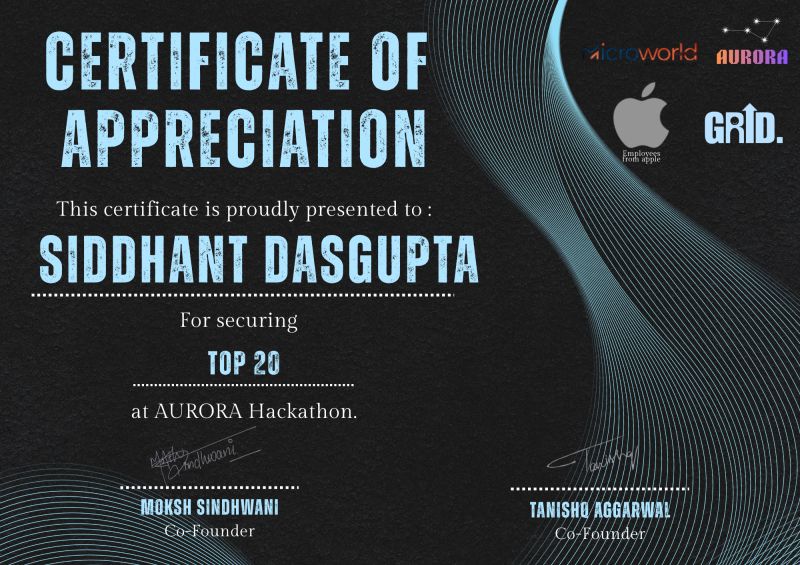
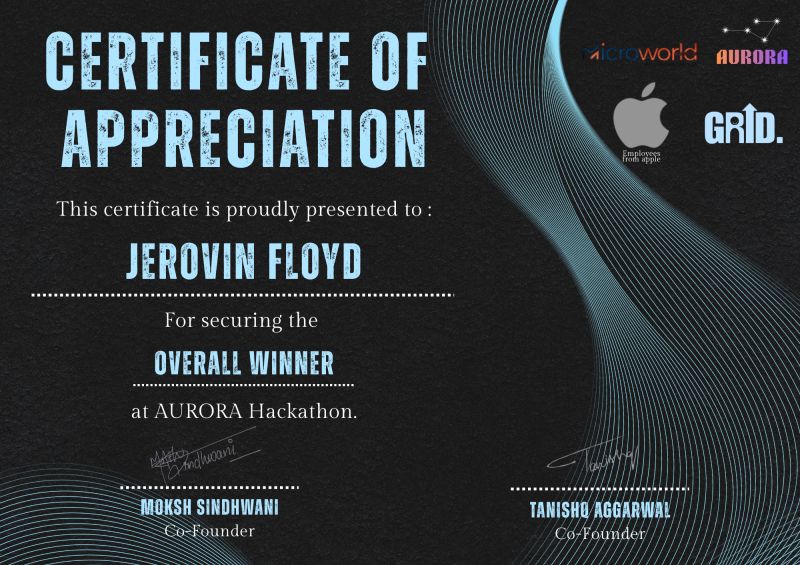
The Top 20 moved on to incubation with projectGRID. Each builder received a certificate of appreciation signed by the co-founders.
Top 20 certificates
Incubation with projectGRID
HP laptops for the winners
The champions.
Who won Aurora.
₹1 lakh in HP laptops went to the winners. The Top 20 moved on to incubation with projectGRID.
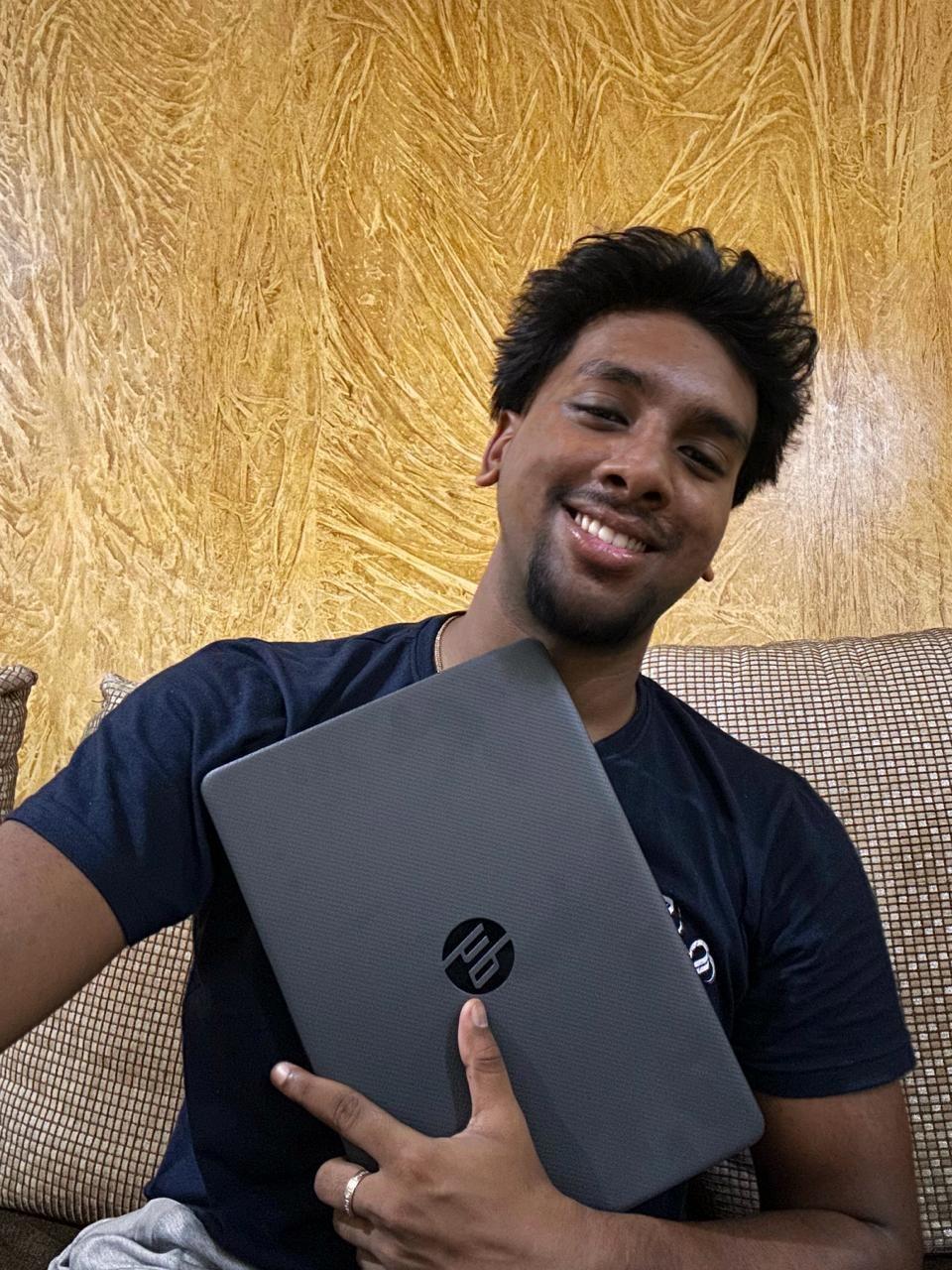
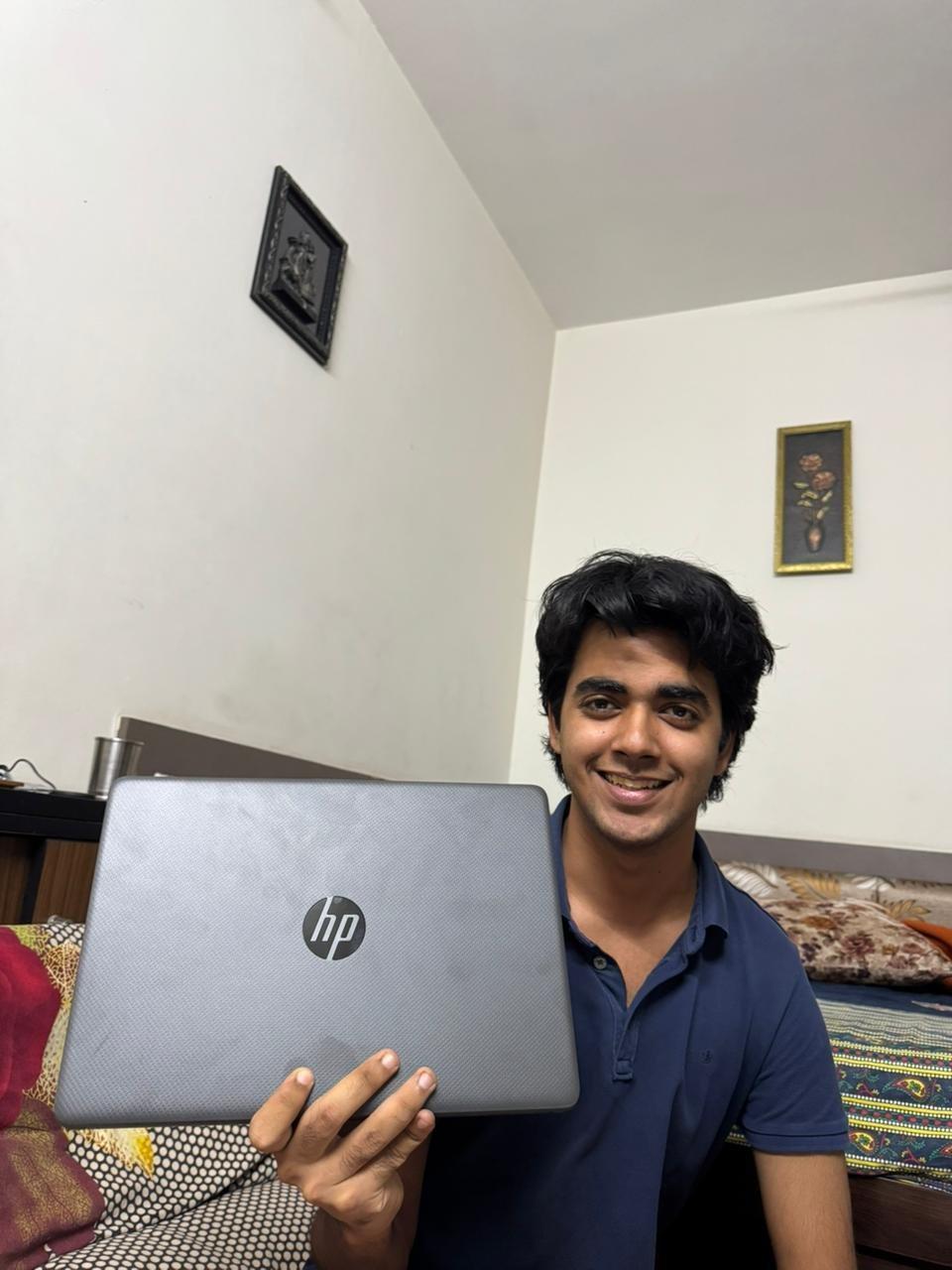
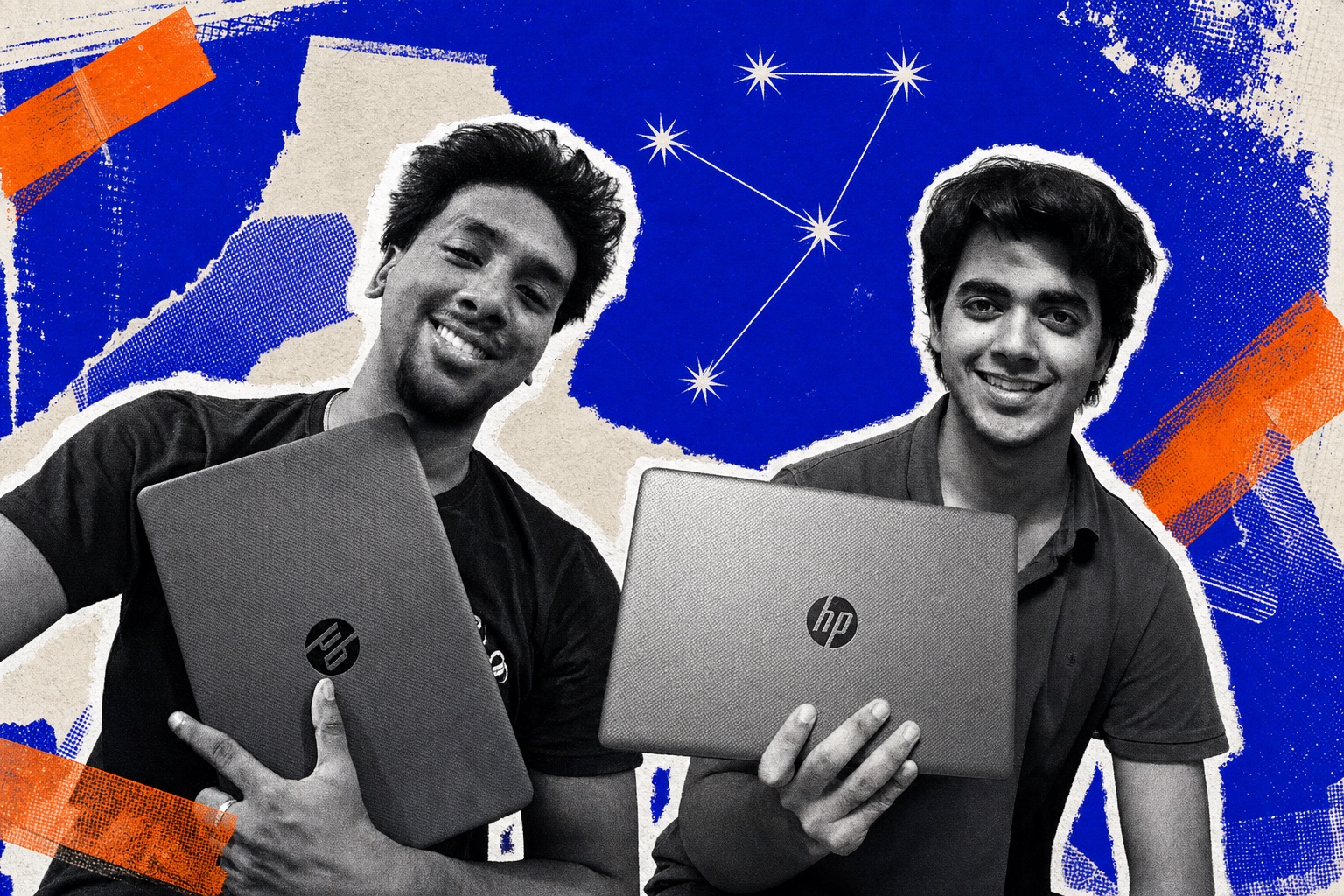
Winner details come from projectGRID's published result stories.
How projects were judged
Judging took place live and online. Every project was scored on five weighted criteria, with impact tied to the SDG brief.
How novel is the idea? Does it open a new space or solve an overlooked problem in a genuinely new way?
Can this actually be built and shipped? Is the technical and business approach grounded in reality?
Is the product intuitive, polished, and built with the end-user in mind? Quality of visual and interaction design.
How much was built? Does the prototype work? Quality of the live demo and code.
What is the potential real-world impact? How well does the solution align with the SDG theme?
Who made it possible.
Aurora was organised by students, with prize laptops from HP and personal help from people at Apple.
A student-run initiative. projectGRID designed and ran Aurora end to end, and took the Top 20 into incubation.
HP provided the laptops awarded to Aurora's winners, ₹1 lakh in prizes.
Employees of Apple helped Aurora as individuals. This was personal support, not a partnership with Apple.
Aurora 2026 reached 1,500 reported participants from 27+ countries. If you want a prize track, mentors or your brand in front of the next cohort, talk to projectGRID.
Every number.
With its source.
Aurora has more than one source, and they don't always count the same thing. Here is each figure with where it comes from.
Project GRID, a student-run initiative.
Fully online. Built so students with limited resources and slow internet could take part.
Students. The Devpost page lists builders aged 14 and above.
1,500 reported in Project GRID's presentation. The Devpost page, where projects were submitted, lists 266.
27+ reported in Project GRID's presentation. 15 are named in the registration sheet.
₹1 lakh in prizes, the cost of the HP laptops given to the winners. Devpost lists six non-cash prize categories.
HP provided the prize laptops. Employees of Apple helped as individuals. That was personal support, not a partnership with Apple.